
Mastering the Curve: Finding the Best Pitching Machine for Every Level
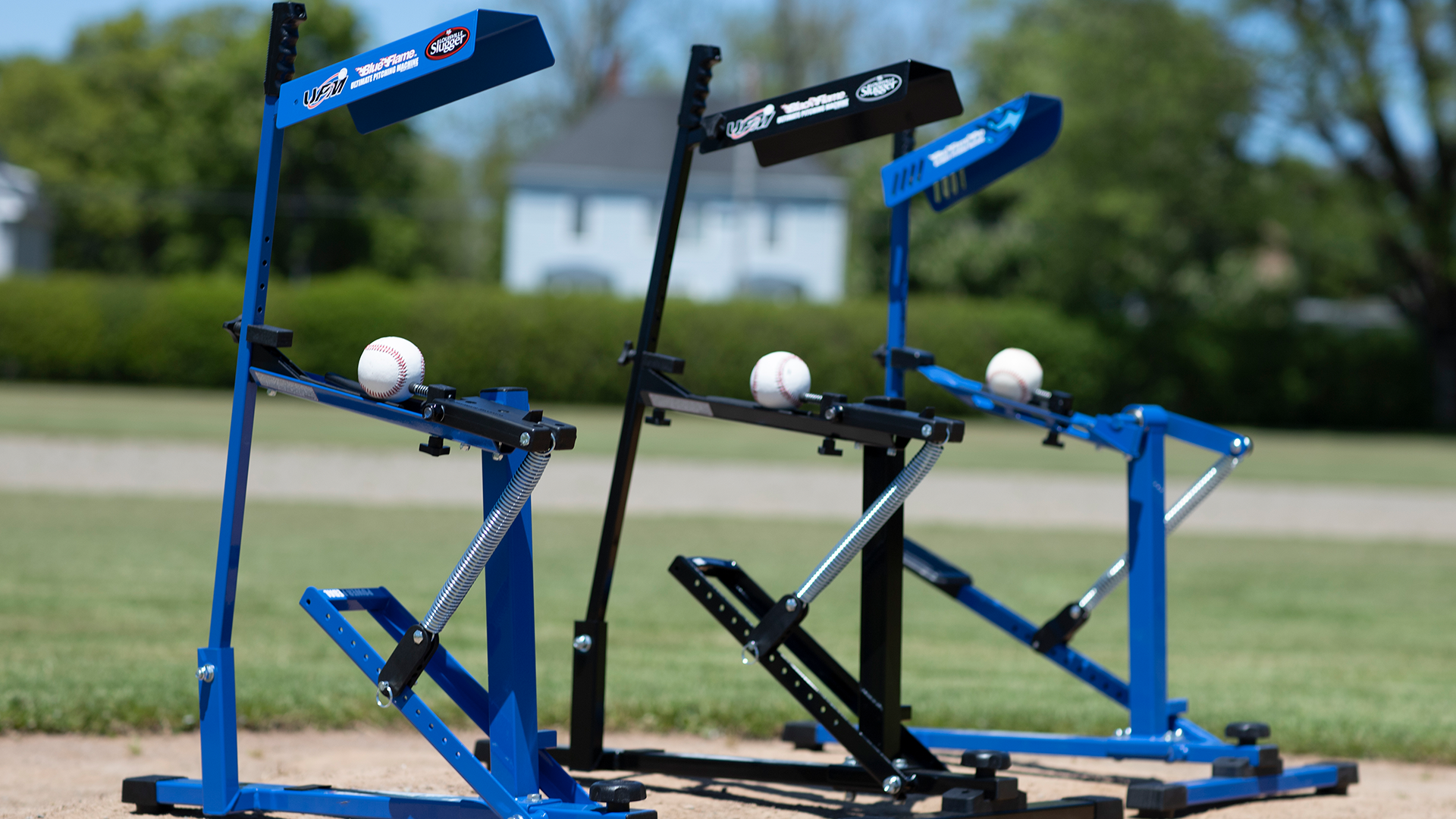
The hum of the pitching machine is the soundtrack to serious baseball practice. For players ranging from Little League rookies to seasoned collegiate or professional athletes, the machine is an indispensable tool. It offers consistent, repeatable pitches that a human arm simply cannot deliver, allowing a hitter to drill timing, master specific pitch types, and build muscle memory with unparalleled efficiency. But the market for pitching machines is vast and varied, offering everything from simple entry-level wheel machines to complex, multi-function robotic arms. Finding the best pitching machine—one that balances safety, performance, and budget—requires careful consideration, particularly when choosing a machine that can serve both a beginner and a pro.
The ultimate test for any machine is its versatility and durability. A great machine must be able to safely deliver slow, straight pitches for a young beginner working on eye-hand coordination, yet also have the power and accuracy to throw 90 mph fastballs, knuckleballs, and sharp breaking balls for an advanced hitter preparing for competition. The ideal choice is often one that can “grow” with the athlete, accommodating their development from a novice swing to an expert’s cut.
The Beginner’s Benchmark: Consistency and Safety
For a beginner, the most critical features of a Baseball Machine Boy Best Pitching Machine are consistency, visibility, and safety. A young player needs to see the ball delivered from a visible mechanism to properly time their swing and overcome any fear of the incoming pitch.
The best beginner machines often employ a simple wheel design or utilize a softball-style arm mechanism that allows the hitter to clearly see the delivery point. Crucially, the speed should be highly adjustable, capable of throwing balls as slow as 30 to 40 miles per hour. This allows the player to focus on the fundamental mechanics of their swing without being rushed. A great entry-level machine will feature a ball feeder that provides reliable, consistent pitches every few seconds, eliminating the distraction of a coach manually loading each ball.
The use of lite-flite or specialized soft baseballs is also a benchmark for beginner safety. These balls reduce the risk of injury while providing enough weight for realistic contact, ensuring that a young player can build confidence without being intimidated by the speed or impact of a hard regulation baseball. A machine that is easily portable and simple to set up, often weighing less than 30 pounds, is ideal for team practices or backyard training.
The Professional’s Powerhouse: Speed, Spin, and Simulation
When transitioning from the basics to professional-level training, the demands on the pitching machine change dramatically. The focus shifts from general consistency to real-game simulation, requiring high speed, pitch variety, and impeccable accuracy.
The machines favored by professionals are typically two- or three-wheel units. These sophisticated machines use two or three independently controlled spinning wheels to grip the ball and impart specific types of spin. This design is what allows the machine to precisely mimic all the pitches found in a competitive game:
- Fastballs: Achieved by synchronizing the wheel speeds. High-end machines can accurately throw pitches over 90 mph, essential for developing the quick timing needed for elite pitching.
- Breaking Balls: Achieved by setting one wheel to spin faster than the other, imparting side spin for a curveball or top spin for a slider. The ability to throw a true, sharp-breaking curveball requires the machine to accurately simulate the spin axis and velocity of a human pitcher.
- Off-Speed Pitches: By simply reducing the speed of the wheels, the machine can throw changeups and other off-speed pitches with no change in the delivery motion, which is crucial for training a hitter’s recognition skills.
For a pro, the ability to easily switch between pitches without manually repositioning the machine is paramount. Computerized controls and memory settings allow a coach to instantly dial in a 90 mph fastball followed by an 80 mph slider, simulating a real at-bat scenario.
The best pitching machine is the one that minimizes frustration and maximizes repetition. For the beginner, it instills confidence and proper fundamentals with a slow, visible, and safe pitch. For the professional, it sharpens timing and perfects pitch recognition with a rapid-fire, realistic simulation of high-level competition. By focusing on the scientific principles of speed, spin, and consistency, any hitter can find the perfect mechanical partner to help them master the curve and own the plate.


